
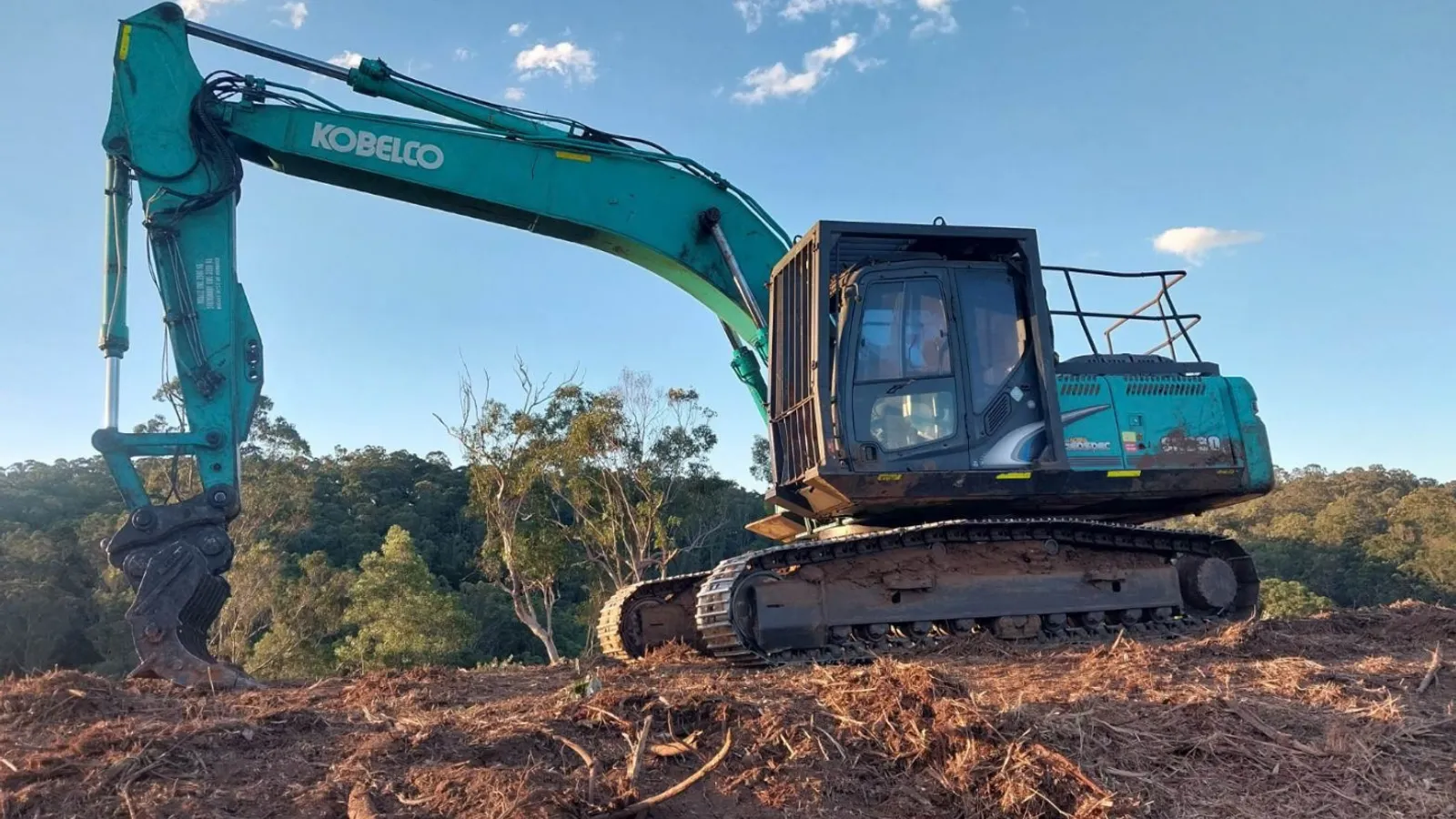
You have found the right machine. A used excavator on Marketplace, a tractor from the farm down the road, a prime mover from an operator who is retiring. The price is right and the seller wants it gone this week. Then the question hits: can I actually finance this when there is no dealer involved?
The short answer is yes. Private sale equipment finance is routine for lenders that know how to handle it. It just runs a little differently to buying from a dealer, and knowing the steps up front is what keeps the deal from stalling.
Why private sales feel harder than dealer sales
When you buy from a dealer, a lot of work happens behind the scenes. The dealer issues a tax invoice, confirms the equipment is theirs to sell, clears any finance owing on a trade in, and usually has a relationship with the lender. The finance side runs on rails.
With a private sale, nobody does that work unless you or your broker does it. The lender still needs the same comfort: that the equipment exists, that the seller owns it, that it is worth what you are paying, and that nobody else has a claim over it. The difference is how that comfort gets put together.
How private sale equipment finance works, step by step
- Get your approval sorted first. Before you commit to the seller, get the finance side assessed. Lenders look at your business (how long your ABN has been active, whether you are registered for GST, your trading history and your credit file) and at the asset itself. Knowing where you stand means you can negotiate with confidence instead of hoping it all comes together.
- Collect the equipment details. The lender will want the make, model and year, plus the serial number, VIN or chassis number. For machinery, the hours on the clock matter. Clear photos of the equipment, the compliance plate and the hour meter make everything faster.
- Get a private sale invoice from the seller. A private seller will not have a formal tax invoice, so they provide a simple private sale invoice or bill of sale. It shows their name and contact details, the equipment details, the agreed price, and their bank account details for settlement. Your broker can supply a template so the seller does not have to guess.
- Check what is owed on it. This is the step people skip, and it is the one that matters most. A search of the Personal Property Securities Register (PPSR) shows whether there is finance owing on the equipment, and for vehicles whether it has been reported stolen or written off. If the seller still owes money on it, the lender can pay out that finance directly as part of settlement and send the balance to the seller. You end up owning it clear.
- Verify the seller. Lenders confirm the seller is who they say they are and that the bank account belongs to them. This protects you from the most common private sale scam: paying someone who does not actually own the equipment.
- Inspection or valuation if required. Depending on the age and value of the equipment, the lender may ask for an independent inspection or valuation. For many deals, good photos and a video walk around are enough.
- Sign and settle. Once everything checks out, you sign the finance documents and the lender pays the seller directly. You pick up the equipment, and for registered vehicles you complete the transfer of registration.
What about GST?
This is where private sales trip people up. If you buy from someone who is not registered for GST, there is no GST in the price, which means there is no GST credit for you to claim. If the seller is a GST registered business selling equipment it used in that business, they should issue a proper tax invoice that includes GST, and you may be able to claim it back. Ask the seller up front which one applies, because it changes your real cost. Your accountant can confirm how it works for your business.
Common mistakes to avoid
- Paying a cash deposit to hold the equipment before any checks are done.
- Assuming a lender will finance equipment of any age. Most have limits on how old the asset can be by the end of the loan term, so older equipment may need a shorter term or a specialist lender.
- Agreeing to a settlement date before the finance is approved.
- Skipping the PPSR search because the seller seems trustworthy.
- Buying in a personal name when the business is the one that will use the equipment, which can affect how it is financed and claimed.
Real world examples
A civil contractor buying a used excavator from another operator who is downsizing. A farmer buying a neighbour's tractor after a clearing sale. A transport operator picking up a second hand prime mover from an owner driver who is retiring. A tradie buying a fitted out ute from another tradie. Different equipment, same process every time.
Why use a broker for a private sale
Not every lender is comfortable with private sales, and the ones that are each have their own rules on equipment age, seller verification and inspections. A broker who works across a large lender panel knows which lenders suit your deal before it is submitted, and does the legwork with the seller so the purchase does not fall over at the last minute.
Private sale equipment finance is a core part of what we do at Tigris Finance, and we are proud to be a finalist for Customer Service Broker of the Year. If you have found the right machine and want to know whether it can be financed, call Wade on 0413 401 570, or use the Book a call with Wade button at the bottom of this page.
This article is general information only. It does not take your objectives, financial situation or needs into account and is not credit advice. Talk to us about your own circumstances before making a finance decision.