If you have found an older machine from a private seller, the good news is that it can usually be financed. The catch is that not every lender will do it, and the ones that will look at it differently from a new machine bought through a dealer. Knowing how lenders think about age before you shake hands with the seller can save you a decline, a lost deposit and a lot of time.
Can you get finance on older equipment?
Yes. Older trucks, excavators, tractors, trailers and other machinery are financed every day, including private sales. What changes as equipment gets older is which lenders will consider it, how long the loan can run for, and how much evidence the lender wants about the condition of the machine.
A bank declining an older asset does not mean the deal is dead. It usually means the deal was sent to the wrong lender.
Why do lenders care how old the equipment is?
With equipment finance, the machine is the lender's security. If the loan is not repaid, the lender sells the machine to recover what is owed. Older equipment is harder to value, more likely to need a major repair, and can take longer to sell. Lenders manage that risk by setting age limits.
None of this means an older machine is a bad buy. A well looked after older excavator or truck can earn good money for years, often for a much lower purchase price than a newer one.
How do age limits actually work?
Most lenders look at how old the equipment will be at the end of the loan, not just how old it is today. This is usually called the maximum age at the end of the term.
Here is a simple example. Say a lender will accept a truck up to 20 years old at the end of the loan. If the truck is 15 years old today, that lender can offer a loan of up to 5 years. If the truck is 17 years old, the longest loan drops to 3 years.
Each lender sets its own limits, and the limits often change depending on the type of equipment. Trucks, earthmoving gear, farm machinery and cars can all be treated differently. That is exactly why one lender's no can be another lender's yes.
What if the equipment is older than a lender's limit?
There are still ways to get it done. Depending on the deal, these can include:
- A shorter loan, so the machine stays within the lender's age limit.
- A specialist lender that is comfortable with older assets and looks at condition and value, not just the year of manufacture.
- A bigger deposit, so the lender is relying less on the machine itself.
- Extra security, such as property or another asset you own outright.
- An inspection or valuation, so the lender can see what the machine is really worth.
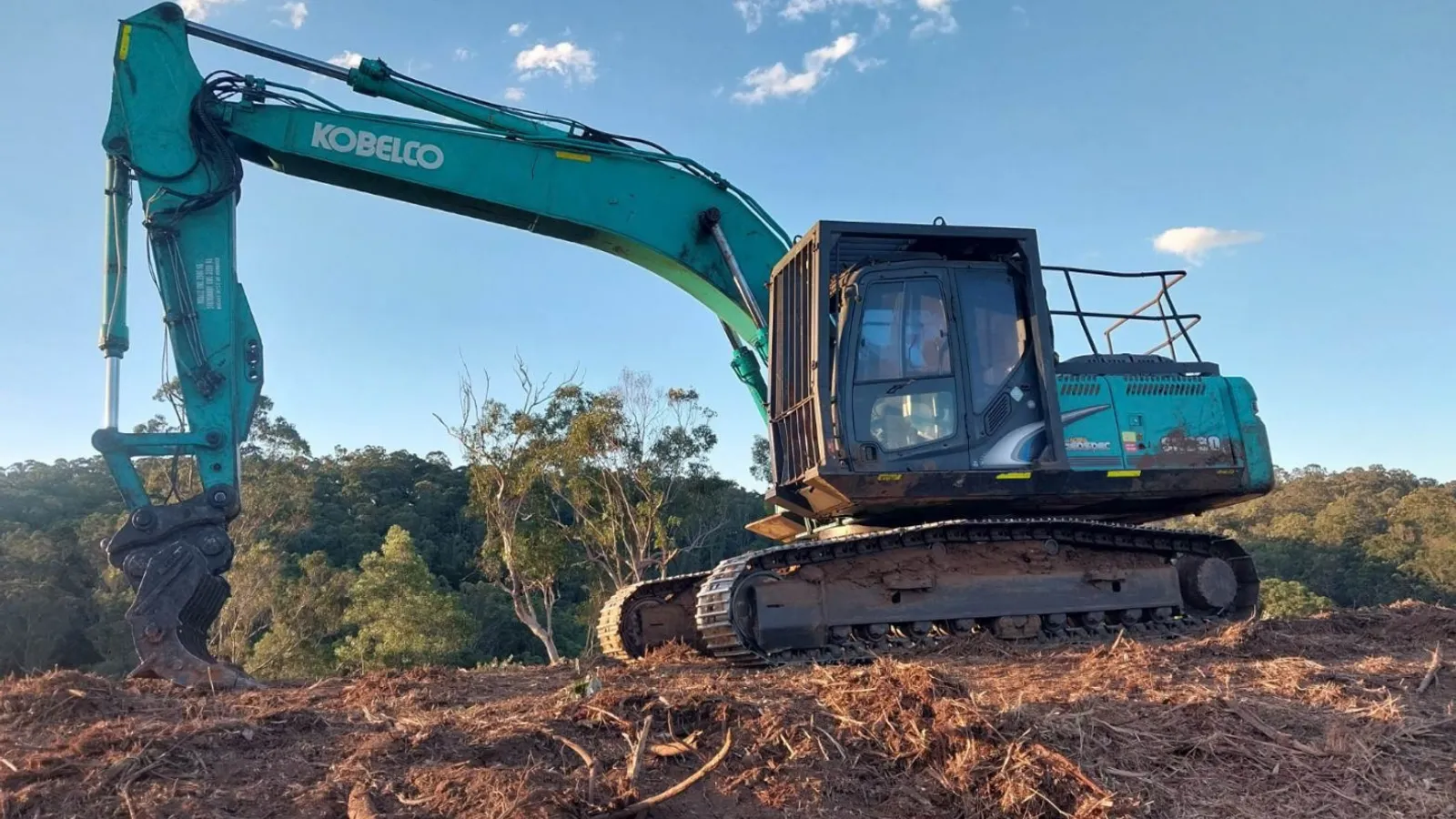
We recently helped a civil contractor finance an older excavator after their bank turned it down purely because of the machine's age. The excavator was in good condition and the business had work lined up. It simply needed a lender that understood older equipment.
What will the lender want to see?
The more you can show about the machine's condition, the stronger your application. Before you apply, gather:
- Clear photos of the whole machine, plus the compliance plate, serial number or VIN, and the hour meter or odometer.
- Service records or maintenance history. A handwritten logbook is better than nothing.
- Receipts for any major work, such as an engine rebuild or new undercarriage.
- A PPSR search showing whether money is owed on the machine and that it has not been reported stolen or written off.
- Proof the machine will earn its keep, such as contracts or work already booked.
How does the age of the equipment affect repayments?
Because older equipment often means a shorter loan, the repayments are usually higher. You are paying back the same amount over fewer months. The upside is that a shorter loan generally means less interest paid overall.
This is why it is worth knowing the maximum loan term before you agree on a price. Sometimes a slightly newer machine with a longer loan available is easier on your cash flow than a cheaper, older one with a short loan. We can run both options side by side before you commit.
What are the most common mistakes?
- Agreeing on a price before knowing what loan term the machine qualifies for.
- Accepting the bank's no as the final answer.
- Skipping the inspection on an older machine and getting hit with a big repair bill early on.
- Paying the seller a deposit before the finance is approved and the checks are done.
New to buying from a private seller?
Start with our earlier article on the Tigris Finance blog, Buying Equipment From a Private Seller? How Finance Actually Works. It covers the full private sale process step by step, from the private sale invoice through to the PPSR search and settlement.
Talk to us before you commit
Older equipment is where using a broker who knows the lender panel really pays off. We know which lenders are comfortable with older assets of different types, so we can point your application in the right direction first time and avoid an unnecessary decline on your credit file.
Private sale and older equipment finance is a big part of what we do at Tigris Finance, and we are proud to be a finalist for Customer Service Broker of the Year. Found a machine and want to know if it can be financed? Call Wade on 0413 401 570 or book a call with Wade through tigrisfinance.com.au.
This article is general information only and does not take into account your objectives, financial situation or needs. Speak with us about your circumstances before making a decision. Credit criteria, fees and charges apply.
This article is general information only. It does not take your objectives, financial situation or needs into account and is not credit advice. Talk to us about your own circumstances before making a finance decision.